Creating a podcast studio can be an exhilarating venture, especially in a vibrant podcaststudio.com Podcast studio state like Arizona, where the creative community is thriving. The allure of sharing stories, insights, or just having engaging conversations draws many into the world of podcasting. If you envision starting your own show and want to create a dedicated space for recording, understanding how to set up your podcast studio is crucial. This article delves into the essentials of establishing a podcast studio in Arizona, covering everything from selecting the right location to choosing equipment that fits your budget and needs.
Choosing the Right Space
The first step in setting up your podcast studio involves selecting the right space. Not every room will suffice; sound quality is paramount. Ideally, you want a room that is quiet and away from external noise sources. Think about:
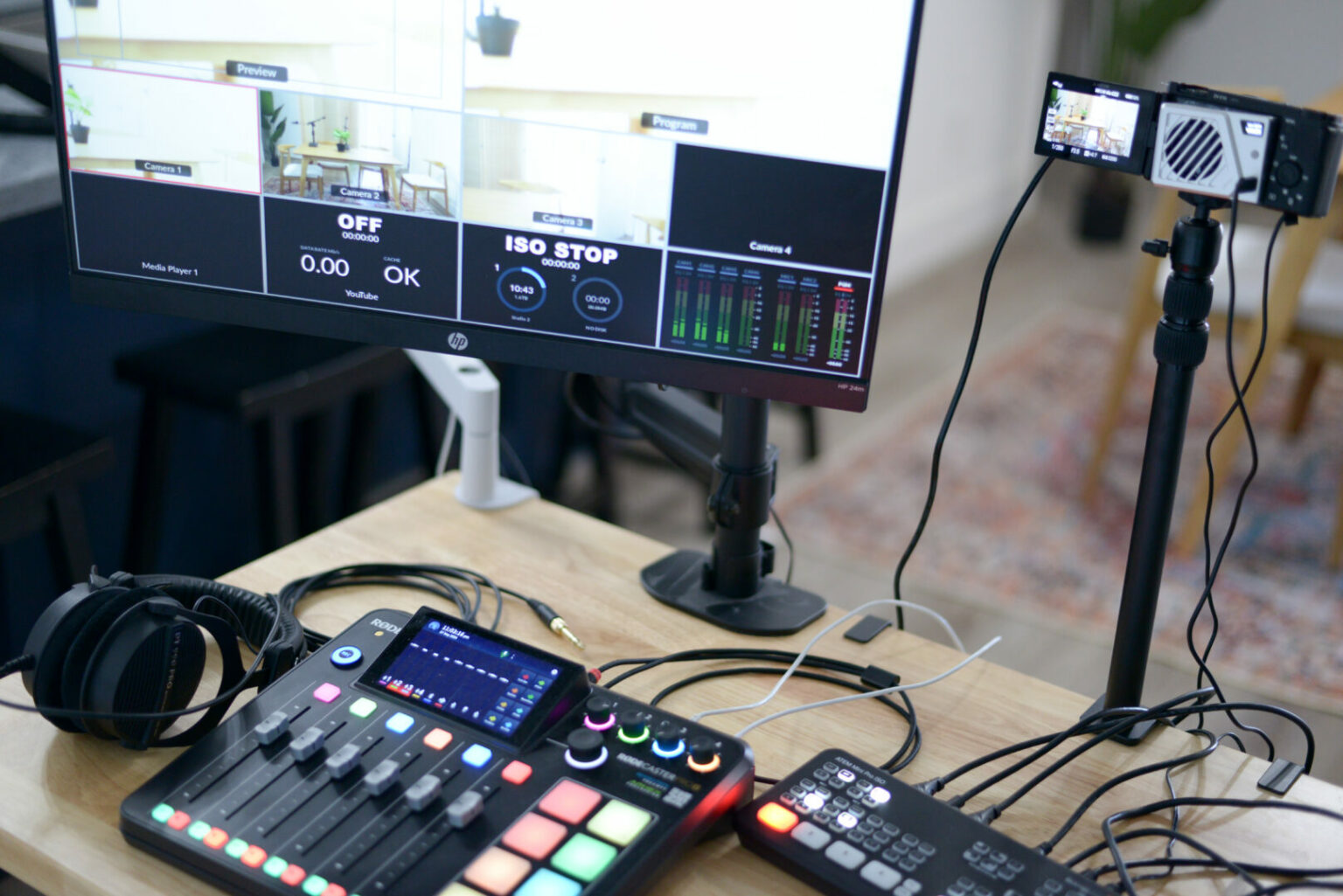
- Location: Choose a spot that's accessible yet secluded enough to minimize interruptions. A spare bedroom can work well if it has minimal foot traffic. Size: Ensure there’s enough room for your equipment and comfort during long recording sessions. At least 100 square feet is advisable. Acoustic Treatment: Hard surfaces reflect sound waves, creating echoes that are detrimental to audio quality. Look for spaces with carpets, curtains, or consider adding foam panels or blankets for sound dampening.
If you're considering a location around Mesa or other parts of Arizona, research potential properties or existing studios that could serve as inspiration or models for what you want to create.
Essential Equipment
Once you have your space sorted out, it's time to invest in equipment that meets your requirements without breaking the bank. While high-end gear can produce excellent results, there Podcast Studio in Arizona are budget-friendly alternatives that still deliver great audio quality.
Microphones
Your choice of microphone significantly impacts sound quality. A good starting point includes:
- Dynamic Microphones: These are durable and handle high sound pressure levels well—ideal if you’re recording in untreated rooms. Condenser Microphones: These capture more detail but are sensitive to background noise; use them in quieter environments.
Popular options include the Shure SM7B (dynamic) and the Audio-Technica AT2020 (condenser), both widely used by podcasters.
Audio Interface
An audio interface converts analog signals from your microphone into digital data for your computer. Look for interfaces with multiple inputs if you plan on hosting guests regularly. The Focusrite Scarlett series offers reliable performance at reasonable prices.
Headphones
Investing in closed-back headphones will help monitor audio while recording without letting sound leak back into the mic. Brands like Audio-Technica and Sony provide comfortable options perfect for extended wear during sessions.
Recording Software
Digital audio workstations (DAWs) like Audacity (free) or Adobe Audition (subscription-based) allow for easy recording and editing of episodes. Familiarize yourself with one before launching so you can maximize its features effectively.
Setting Up Your Studio Layout
The arrangement of your studio can greatly influence both workflow and acoustic performance. Consider these layout tips:
Mic Placement: Position microphones away from walls to reduce reflections and unwanted noise pickup. Seating Arrangement: If you're recording with guests, arrange seats so everyone faces each other comfortably while keeping mics at an equal distance. Cables Management: Use cable organizers to prevent tangling and ensure safety by minimizing tripping hazards during recordings.Visualizing how everything fits together before purchase can save time and money down the line.
Acoustic Treatment Options
Achieving optimal sound quality often requires more than just good equipment; treating your space acoustically is essential as well. Here are some strategies tailored for Arizona's unique climate:
- Bass Traps: Place these in corners where low frequencies tend to accumulate. Sound Panels: Use fabric-wrapped panels on walls to absorb mid-range frequencies. Rugs and Curtains: Thick rugs will help reduce echo on hard floors while heavy curtains can minimize noise from windows.
For those looking to enhance their studio further, local suppliers in Arizona offer materials specifically designed for acoustic treatment at various price points.
Testing Your Setup
After assembling your equipment and arranging your space, conduct several test recordings before going live with actual episodes. This allows you to fine-tune settings such as input levels on your audio interface and gain control on microphones.
Listen back critically—check for background noise interference or any imbalance between voices if multiple speakers are involved. Adjust mic positions or gain settings accordingly until satisfied with clarity and volume consistency across different speaking styles.
Recording Your First Episode
Once everything feels right, it’s time for that first episode! Keep these tips in mind:
- Outline Your Content: Create a loose script or bullet points outlining key discussion topics to maintain flow without sounding overly scripted. Engage Your Audience: Speak clearly and energetically while remembering that listeners can't see you; enthusiasm translates through audio. Edit Thoughtfully: After recording, spend time editing out filler words or pauses that might detract from pacing but avoid excessive edits that could lose authenticity.
As you progress through episodes, don’t shy away from feedback—listener insights can guide improvements both technically and content-wise.
Marketing Your Podcast Studio
Establishing a podcast studio isn’t just about creating content; promoting it effectively ensures it reaches a wider audience. Consider these strategies tailored specifically for Arizona's diverse demographic landscape:
Social Media Engagement: Share snippets of episodes on platforms like Instagram or TikTok where potential listeners engage visually alongside audio content. Collaborate with Local Creators: Invite guests from Arizona's artistic community who share complementary interests—cross-promotion helps attract new followers organically. Attend Local Events: Networking at workshops or conventions provides opportunities not only for collaboration but also exposure within local media channels eager to support homegrown talent.Building relationships within this vibrant ecosystem can drive sustained interest over time as listeners become invested not just in individual episodes but also in supporting local creatives pursuing their passions through podcasts.
Finding Support Resources
Starting any venture can be daunting but remember you're not alone on this journey! Various resources exist throughout Arizona designed specifically for podcasters seeking guidance:
- Local Meetups & Workshops: Look out for events hosted by organizations like Podfest where fellow enthusiasts gather regularly sharing knowledge ranging from technical skills all way up marketing strategies. Online Communities: Engage with others via forums such as Reddit’s r/podcasting which provides invaluable peer advice based on real-world experiences faced by fellow creators globally!
Utilizing these resources ensures continuous growth while navigating challenges inherent when launching something new!
Setting up a podcast studio demands considerable effort but yields immense rewards once completed successfully! By focusing attention on essential elements—from choosing appropriate locations down investing wisely into necessary gear—you'll create an environment conducive towards producing high-quality shows sought after by audiences everywhere!
Podcast Studio AZ
627 W Enid Ave, Mesa, AZ 85210, United States
+1 (602) 580-4021
[email protected]
Website: https://podcaststudio.com/